
Atomic Habits by James Clear has been one of the beneficial books that I have read this year. And I wanted to share the notes and ideas which helped me with you all.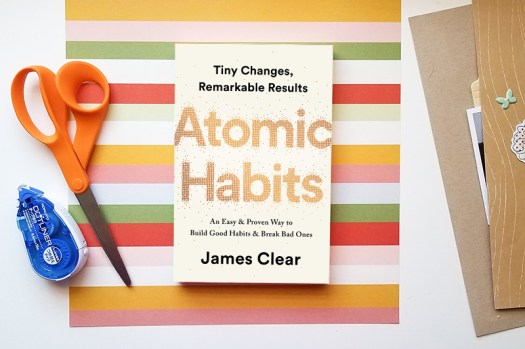

The crux of the book is that Habits are the compound interest of self improvement. The effects of your habits multiplies as you repeat them just like money. A simple change in your daily habits can guide your life to a very different destination.
According to James Clear, all habits revolves around the below four step model and any behavior change revolves around these steps.
- Cue
- Craving
- Response
- Reward
Aggregation of Marginal gains:
It doesn’t matter how successful or unsuccessful you are right now. What really matter is whether your habits are putting you in the right path to success. Instead of focusing on your current results, you should you concerned with your current trajectory. Your aim should be to become 1% better everyday. Winning tiny battles like hitting the gym each week, reading books each day and spending less than you earn each month will define your future.
Can 1 % improvement really make any difference?
Habits often appears to make no difference until you cross a critical threshold and unlock a new level of performance. People make few small changes and when they fail to see immediate results, they quit. This is the prime reason why people struggle to build habits that lasts.
Mastery require patience. Time magnifies the margin between success and failure. It will multiple whatever you feed it. Good Habits makes time your ally and Bad habits make time your enemy.
Habits and Identity:
The more pride you have in a particular aspects of your identity, the more motivated you will be to maintain the habits associated with it. James argues that identity is literally your “repeated being”. The frequency of your habits influence your identity and vice versa. The goal is NOT to read a book, the goal is to become a reader.
Two step process:
- Decide the type of person you want to be.
- Prove it to your self with small wins.
Laws of Habits:
| Habit | Law | Rules |
|---|---|---|
| How to create a Good Habit | The First Law | Make it Obvious |
| The Second Law | Make it Attractive | |
| The Third Law | Make it Easy | |
| The Fourth Law | Make it Satisfying |
| Habit | Law | Rules |
|---|---|---|
| How to break a Bad Habit | Inversion of the First Law | Make it Invisible |
| Inversion of the Second Law | Make it Unattractive | |
| Inversion of the Third Law | Make it Difficult | |
| Inversion of the Fourth Law | Make it Unsatisfying |
The First Law:
Create a habit scorecard:
- Make a list of your daily habits.
- Once you list, look at each habits and ask yourself “Is this a good/bad or a neutral habit?. Assign ‘+’ if its a good habit, ‘-‘ for bad habit and ‘=’ for neutral habit.
Design your environment:
Environment is the invisible hand that shapes your behavior. If you want to make a behavior change, make a cue a big part of your environment. The most persistent behavior will usually have multiple cues.
Habit Stacking:
Best way to build a new habit is to identity a current habit you already do each day and then stack your new behavior on top.
The Second Law:
We need to make our habits attractive so learn to associate them with positive experience. Sometimes all you need is a slight mind-set shift.
The Third Law:
If you want to master a habit, the key is to start with repetition, not perfection. You just need to practice it often. The more you repeat an activity, the more structure of your brain changes to become efficient at it. Example: Learn a new language, play an instrument require repetition.
Two minutes rule:
When you start a new habit, it should take less than two minutes to do.
Example: Read before bed each night becomes “Read one page”. Run three miles becomes “take out my running shoes”.
The Fourth Law:
What is rewarded is repeated. What is punished it avoided. Reward yourself after every new habit. Take a bubble bath or going on a leisurely walk.
Never miss twice
You don’t realize how valuable it is to just show up on your bad days. Lost days hurt you more than successful days help you. So always show up.
Create a Habit contract:
Create a habit contract with you partner or your friend. This will help you stay the course.
These are some of the best points I have found helpful from the book. Let me know if you have found other great tips for habit building.
If you are looking for more Habit hacks, then I recommend that you follow James clear on twitter.


Prolly i needed this! Thank you
LikeLiked by 1 person
This book changed my life. Great review and summary of it.
LikeLiked by 1 person